
Getting Back Behind the Wheel After Major Spinal Surgery Today
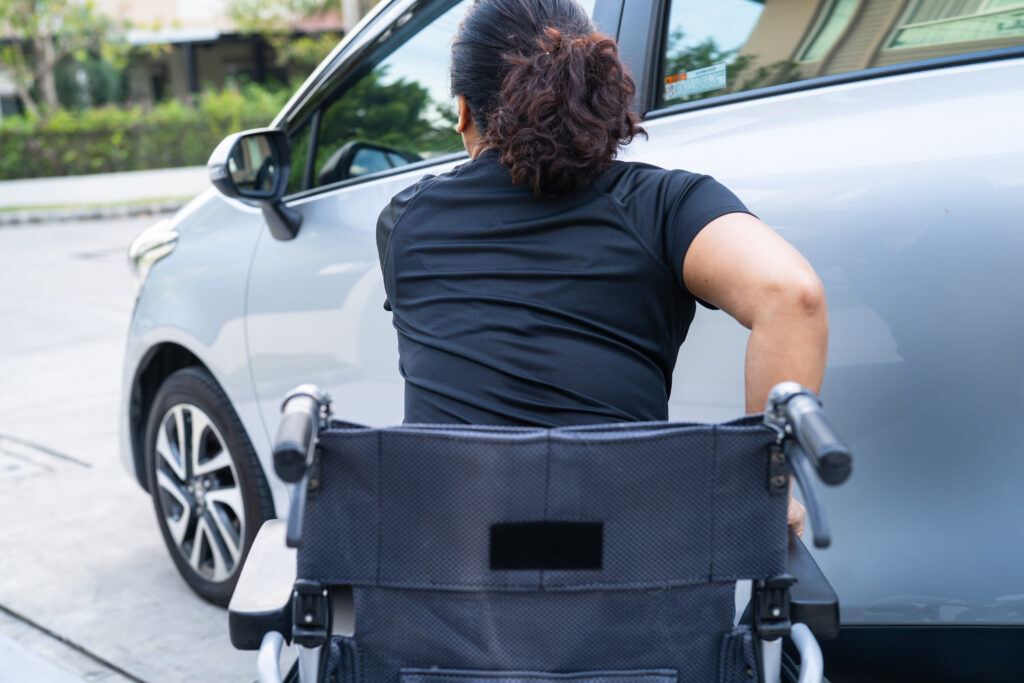
After major spinal surgery, everyday activities take time to return, and driving is often high on the list. Getting back behind the wheel means independence, whether that is running errands, getting to appointments or simply feeling like yourself again. The timing is different for everyone, and it depends on your recovery rather than a set date on the calendar. This guide explains how spinal surgery affects driving, what needs to happen before you return, and how an occupational therapy driving assessment can help when your recovery is more complex.
Table of Contents
ToggleTLDR
- Major spinal surgery temporarily limits the movement, comfort and reaction speed that driving relies on.
- There is no fixed timeframe, so returning to driving depends on your individual recovery.
- You need clearance from your surgeon or treating doctor before you drive again.
- You should be off strong pain relief that affects concentration and reaction time.
- You need enough movement to check mirrors and blind spots, and to perform an emergency stop comfortably.
- Under the Austroads standards, you are responsible for being fit to drive at all times.
- An occupational therapy driving assessment can confirm your readiness and recommend any vehicle changes.
Why spinal surgery affects driving
Driving asks a lot of your body, from turning to check blind spots to braking quickly if needed. After major spinal surgery, your body needs time to heal, and several everyday movements can be limited for a while. Understanding these effects helps you see why a careful, staged return matters.
|
What spinal surgery can affect |
Why it matters for driving |
|
Movement and flexibility |
Turning to check mirrors and blind spots |
|
Pain and comfort |
Sitting for a full trip and staying focused |
|
Pain relief medication |
Concentration and reaction time |
|
Strength and reaction speed |
Braking and performing an emergency stop |
Movement and flexibility limits
After spinal surgery, your surgeon may advise limits on bending, twisting and lifting while your spine heals. These same movements are part of driving, from turning your head to check blind spots to reaching for the seatbelt. Giving your body time to regain safe movement is an important part of a confident return.
Pain and medication effects
Pain can be distracting, and the medications used to manage it matter too. Strong pain relief, such as opioids, can affect concentration and slow reaction time, so driving is not recommended while you are taking them. As your pain settles and you reduce this medication, one of the barriers to driving begins to lift.
Reaction time and emergency stops
Safe driving means being able to respond quickly and firmly if the unexpected happens. After spinal surgery, an emergency stop may feel uncomfortable or hesitant at first. Being able to brake quickly, without pain or hesitation, is a key sign that your body is ready to return to the road.
When is it safe to drive?
There is no single answer that fits everyone, because recovery from spinal surgery varies. What matters is meeting a few clear conditions before you drive, and following the advice of your treating team. In NSW, you also have a duty to notify Transport for NSW of a medical condition that affects your driving (NSW Government, accessed September 2026).
Getting your surgeon’s clearance
The most important step is clearance from your surgeon or treating doctor. They understand your surgery, how your spine is healing, and when your body is stable enough to handle driving. It helps to ask directly at your review appointment, and to keep a note of their advice for your records.
Coming off strong pain relief
Driving is not safe while you are taking medications that affect your alertness or reaction time. As your recovery progresses and your pain reduces, you can talk with your doctor about stepping down from strong pain relief. Only once you are no longer relying on these medications should driving be considered.
Checking you can stop safely
A practical readiness check is whether you can sit comfortably, look over your shoulder, and perform an emergency stop quickly and without pain or hesitation. If any of these still feel difficult, it is a sign to give yourself more time. There is no rush, and waiting until you can do these confidently keeps you and others safe.
Your responsibilities on the road
Alongside your medical team, you carry an important responsibility. Under the Austroads Assessing Fitness to Drive standards used across Australia, you are responsible for being fit to drive at all times (Austroads, accessed September 2026).
This is not about worry, it is about being informed. Driving before you are ready, or against medical advice, can affect your safety and may also affect your insurance. Taking the time to meet each condition protects you, your passengers and other road users.
If you are ever unsure whether you are ready, it is worth pausing and seeking advice rather than guessing. A short conversation with your doctor or an occupational therapist can give you clarity and peace of mind.
When an OT driving assessment helps
For many people, a straightforward recovery and a doctor’s clearance are enough to return to driving. In more complex situations, an occupational therapy driving assessment offers extra reassurance that you are ready, and practical guidance if anything needs adjusting.
Signs an assessment is useful
An assessment can be particularly helpful if:
- Your recovery has been complex or longer than expected
- You still have ongoing limits on movement or comfort
- You or your family feel unsure about returning to driving
- More than one health condition affects your driving
- You want independent reassurance that you are ready
Rather than guessing, an assessment gives you clear, practical answers.
What the assessment involves
An occupational therapy driving assessment has two parts, an off-road assessment that looks at your vision, movement and thinking skills, and an on-road assessment in a dual-control vehicle. You can read more about how an OT driving assessment works, so you know exactly what to expect on the day. The result is practical recommendations, not simply a pass or fail.
Vehicle modifications and support
Sometimes small changes make a big difference to comfort and safety, such as adjustments that reduce twisting or make controls easier to reach. Where helpful, vehicle and equipment assessments can identify modifications that support your return to driving. These recommendations are tailored to you and how you use your vehicle.
Getting back on the road
Returning to driving is often part of a wider recovery, and going at a steady pace helps. Some people ease back in with short, familiar trips before longer drives. Where daily activities are also affected, a functional capacity assessment can give a fuller picture of how you are managing at home and in the community.
Families, carers and referrers all play a part in a smooth return. If you are a GP, specialist or case manager, or a family member helping to organise support, understanding the process together helps everyone feel confident about the plan and the timeline.
With patience, the right clearances and support where you need it, getting back behind the wheel can be a positive milestone in your recovery.
Ready to plan your return?
Recovering from spinal surgery takes time, and returning to driving is a milestone worth getting right. Drive & Thrive OT provides mobile occupational therapy and driving assessments across Greater Western Sydney, with clear, practical reporting from the first call onwards. If you are thinking about driving again, arranging an assessment is a calm, supportive way to check you are ready and plan your next steps.
This article is intended for general information purposes only and does not constitute medical or legal advice. Decisions about fitness to drive are made by the relevant licensing authority, and you should follow the advice of your treating health professionals.