
Supporting Your Journey Back to Driving Independence
Return to Driving Assessments
Returning to Driving Assessments
A stroke, brain injury, major surgery, or medical event can take you off the road. Getting back behind the wheel is often one of the most important goals in recovery, and it is a goal Drive & Thrive OT can help you work towards. We provide occupational therapy driving assessments and return-to-driving support for people across Greater Western Sydney who are ready to take the next step.
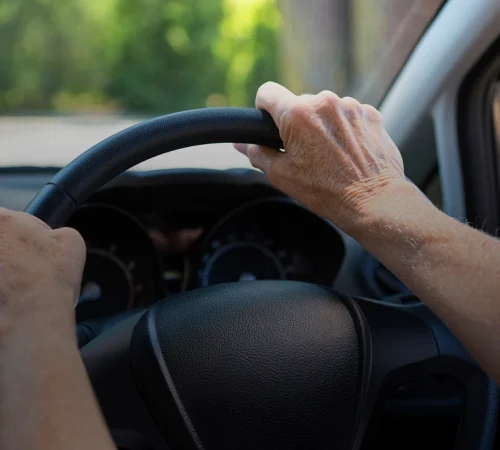
A Goal-Focused Assessment That Supports Your Return to Driving
Drive & Thrive OT understands that driving is not just about transport; it is about independence, work, family, and getting your life back on track. Our return-to-driving assessments are designed to work with you, not just assess you. We look at where you are in your recovery, identify what you need to get back on the road, and provide a clear, practical pathway forward.
Whether that means a formal assessment, a period of driving rehabilitation, vehicle modifications, or a graded return plan, we will guide you through each step.
Who Our Return to Driving Service Supports
Stroke recovery
Stroke can affect vision, cognition, reaction time, and physical movement on one or both sides of the body. Austroads guidelines require a minimum non-driving period after stroke. Once your treating team has cleared you for assessment, an OT driving assessment can determine your readiness to return and identify any support you may need.
Brain injury (acquired and traumatic)
People recovering from acquired brain injury (ABI) or traumatic brain injury (TBI) often have driving as a key rehabilitation goal. Cognitive changes, fatigue, and physical effects can all influence driving ability. Our assessment considers the specific functional impacts of your injury and how they relate to the demands of driving.
Post-surgical recovery
Hip replacement, knee replacement, cardiac surgery, spinal surgery, and other major procedures can affect your ability to operate a vehicle safely. Many people are unsure when they can drive again after surgery. An OT assessment provides a clear, evidence-based answer.
Seizures and epilepsy
Austroads guidelines specify mandatory non-driving periods following a seizure. Once the required period has passed and your neurologist or GP has cleared you, an OT driving assessment can support your licence reinstatement application.
Limb amputation or limb difference
Losing a limb or adapting to a limb difference may require vehicle modifications and a driving assessment to determine what adaptations are needed for safe, independent driving.
Motor vehicle accident recovery
For people involved in a motor vehicle accident, returning to driving can involve both physical recovery and confidence. An OT assessment can address the functional aspects, and where needed, a graduated return-to-driving plan can help rebuild confidence on the road.
NDIS participants
If driving is a goal in your NDIS plan, Drive & Thrive OT can provide the assessment and reporting needed to support your progress. This may include a formal fitness to drive assessment, a driving rehabilitation program, or recommendations for vehicle modifications funded through your plan.
Licence reinstatement
If your licence has been suspended or cancelled due to a medical condition, an OT driving assessment provides the evidence-based report that Transport for NSW requires to consider reinstatement. We work with you, your GP, and Transport for NSW to navigate this process.
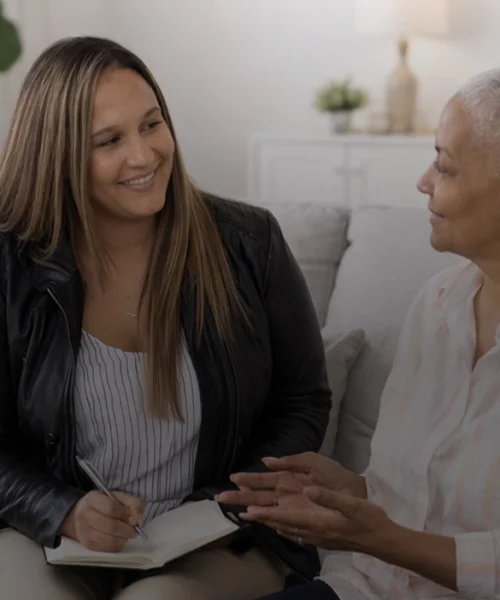
What Is a Medical Fitness to Drive Assessment?
A medical fitness to drive assessment is an occupational therapy evaluation that examines how a specific health condition, health event, or medication affects a person’s ability to drive safely. It is guided by the Austroads Assessing Fitness to Drive standards, the national framework used by medical professionals and occupational therapists across Australia to determine whether a person meets the medical standards for holding a driver’s licence.
The assessment is not a pass or fail test. It is a structured, evidence-based process that considers the functional impact of your condition on the skills needed for safe driving: vision, cognition, reaction time, physical movement, judgment and attention.
The outcome may be that you are fit to drive without conditions, fit to drive with certain conditions or modifications, or that driving is not currently safe. In many cases, the assessment identifies practical steps that can support a return to driving over time or help maintain safe driving for longer.
What a Return to Driving Assessment Includes
Off-road clinical review
A structured assessment of the physical, cognitive, and visual skills needed for safe driving, with specific attention to how your health event or condition affects these areas. Completed at your home or a community setting.
On-road practical drive
A practical driving assessment on local roads in a dual-controlled vehicle with your OT and a qualified driving instructor. The route covers real-world driving situations relevant to your area.
Evidence-based report
A detailed written report outlining your current driving ability, how your condition was considered, and recommendations. The report follows the Austroads framework and is accepted by Transport for NSW, GPs, specialists, and insurers.
Return-to-driving plan
Where you are not yet ready for a formal assessment, or where the assessment identifies areas for development, your OT can recommend a graded return-to-driving plan. This may include driving rehabilitation lessons with a specialist instructor, vehicle modifications, or a recommended review period before reassessment.
How the Return to Driving Process Works
1. Initial enquiry
Contact Drive & Thrive OT by phone or online. The team will ask about your situation, your health event or condition, where you are in your recovery, and any referral or Transport for NSW documentation you have. They will confirm the right pathway and explain the next steps.
2. Off-road clinical review
Your OT conducts a structured clinical assessment, typically at your home or a community setting. This examines vision, cognition, reaction time, physical movement, and condition-specific factors relevant to driving.
3. On-road practical drive
You drive a dual-controlled vehicle on local roads with your OT and a driving instructor. The route includes a range of everyday driving situations to assess your real-world driving ability.
4. Report and recommendations
A detailed report is provided to you, your GP, and Transport for NSW (with your consent). If driving rehabilitation, vehicle modifications, or further review is recommended, your OT will explain the pathway clearly and help coordinate next steps.

When Driving Rehabilitation May Be Recommended
Not everyone is ready for a formal on-road assessment straight away. In some cases, a period of driving rehabilitation (structured lessons with a specialist driving instructor) is recommended before the assessment. This is common after stroke, brain injury, or a long period without driving.
Driving rehabilitation gives you the opportunity to rebuild skills and confidence in a supported environment before the formal assessment. Your OT can coordinate this and monitor your progress.
This is not a failure. It is a practical, evidence-based step that increases your chances of a successful return to driving.
Servicing Greater Western Sydney
Drive & Thrive OT delivers medical fitness to drive assessments across Greater Western Sydney, including:
- Parramatta, Westmead and Auburn
- Blacktown, Mount Druitt and Rouse Hill
- Penrith, St Marys and the Blue Mountains foothills
- Liverpool, Fairfield and Cabramatta
- Campbelltown, Camden and the Macarthur region
- The Hills District, including Castle Hill and Baulkham Hills
Why People Choose Drive & Thrive OT for Return to Driving
- Driver-trained OTs with experience supporting return to driving across a wide range of health events and conditions
- A goal-focused approach that works with you towards getting back on the road
- Assessments guided by the Austroads Assessing Fitness to Drive framework
- Coordination with rehabilitation teams, GPs, specialists, and NDIS providers
- Reports accepted by Transport for NSW, insurers, and funding bodies
- Practical recommendations including driving rehabilitation, vehicle modifications, and graded return plans
- Clear communication from the first call through to your return to driving
Frequently asked Questions
How soon after a stroke can I have a driving assessment?
Austroads guidelines recommend a minimum non-driving period after stroke, typically at least four weeks for a private vehicle licence. Your GP or specialist will advise when you are ready for an OT assessment. Contact Drive & Thrive OT once your treating team has cleared you and we will confirm the right timing.
What if I am not ready for a formal driving assessment yet?
That is completely normal. Many people benefit from a period of driving rehabilitation (structured lessons with a specialist driving instructor) before the formal assessment. Your OT can recommend this and coordinate the process. It is a practical step, not a setback.
Can the assessment help me get my licence back?
Yes. If your licence has been suspended or cancelled due to a medical condition, an OT driving assessment provides the evidence-based report that Transport for NSW requires to consider reinstatement. We work with you and your GP to navigate this process.
Do I need a referral from my GP?
Not always. You can contact Drive & Thrive OT directly and the team will confirm whether a referral is required for your situation. For some conditions and Transport for NSW processes, a GP or specialist referral is needed.
Can NDIS fund my return to driving assessment?
In many cases, yes. If driving is a stated goal in your NDIS plan, the assessment and related support (including driving rehabilitation and vehicle modification recommendations) may be funded. Contact us and we can help you confirm this with your plan manager or support coordinator.
What if I need vehicle modifications to drive safely?
If the assessment identifies that vehicle modifications are needed (hand controls, steering aids, pedal modifications, etc.), your OT will recommend the specific modifications and can refer you for a vehicle modification assessment. Modifications may be funded through NDIS, CTP, or workers compensation depending on your circumstances.
How long does the assessment take?
A full return-to-driving assessment typically takes two to three hours, including the off-road clinical review and on-road practical drive. The two parts can be completed in one appointment or across two visits depending on your needs.
Will my report be accepted by Transport for NSW?
Yes. Our reports follow the Austroads Assessing Fitness to Drive framework and are accepted by Transport for NSW for licence decisions, reinstatement applications, and condition endorsements.
I was in a car accident and feel anxious about driving. Can you help?
Yes. Anxiety about driving after an accident is common and understandable. Our assessment considers both your functional ability and your readiness to return to driving. Where a graduated approach would be helpful, we can recommend structured driving rehabilitation that allows you to rebuild confidence at your own pace.
What should I bring to the assessment?
Please bring your current driver’s licence (or expired licence), glasses or contact lenses if you wear them for driving, a list of current medications, any recent medical reports or specialist letters, and any correspondence from Transport for NSW. Your OT will confirm if anything else is needed when you book.
Take the Next Step Towards Getting Back on the Road
Whether you are recovering from stroke, surgery, brain injury, or another health event, the Drive & Thrive OT team will explain the process, answer your questions, and help you understand the pathway back to driving.
Call Drive & Thrive OT or submit an enquiry online.